
















Emerald Fennell’s Wuthering Heights follows the fated and doomed love story of the shallow and spoiled Cathy Earnshaw and the rugged, tempestuous Heathcliff. Heathcliff, an impoverished orphan, is adopted by Cathy’s widowed father as a young boy, soon becoming both Cathy’s adoptive brother and a servant to the Earnshaw family. Immediately, Cathy takes a strong liking to Heathcliff, deeming him her “pet” as they frolic about the tremendous Earnshaw estate. As the two grow older together, a romantic affinity begins to bud, but their love can never be entertained because of one key problem—their class difference. Cathy is acutely aware that Heathcliff is but a servant and that she is nothing short of a landowning gentlewoman, whose social prestige affords her a great deal of security.
Despite the passionate, all-consuming love the two share, Cathy is unable to relinquish her social ambition and desire for status, saying that it would “degrade her” to marry Heathcliff. Heathcliff, overhearing Cathy’s assertion and rightfully hurt by it, retreats to a life abroad, far away from the Earnshaw estate. Cathy ultimately marries a wealthy nobleman, but when Heathcliff finally returns from his travels, what follows between the two star-crossed lovers is a hasty unraveling of desire into sexual obsession that carries a gradually devastating undertone: the two can never truly be together. Cathy soon becomes pregnant with her husband’s child, leading to a fatal case of sepsis. In her final moments, Cathy dies with her desire for Heathcliff undiminished, her final thoughts consumed by the fierce, unbreakable bond that has defined her life.
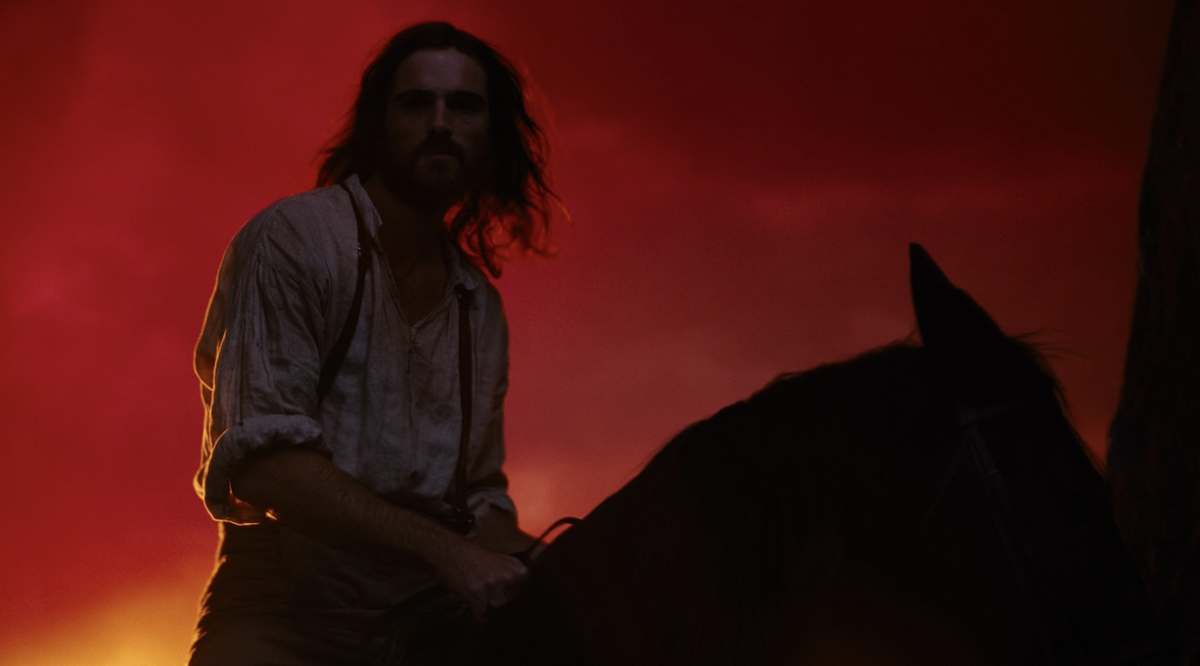
Beyond its tragic narrative, there is no denying how extraordinary the film’s soundtrack and visuals are. The sweeping shots of the windswept moors, raw and grey, contrast with the saturated interior shots, often featuring colorful reds and blues. The costuming, while not necessarily period-accurate, is intentionally stylized—flowing veils, corsets, and glossy fabrics—often evoking the dramatic excess of 1980s “bodice ripper” romance novel covers and 50s soundstage melodramas, a visual language the film even implements in its promotional posters. Rather than detracting from the story, this borrowing feels bold and self-aware, and Wuthering Heights absolutely cements itself as one of the most visually striking and aesthetically daring films of 2026 so far.
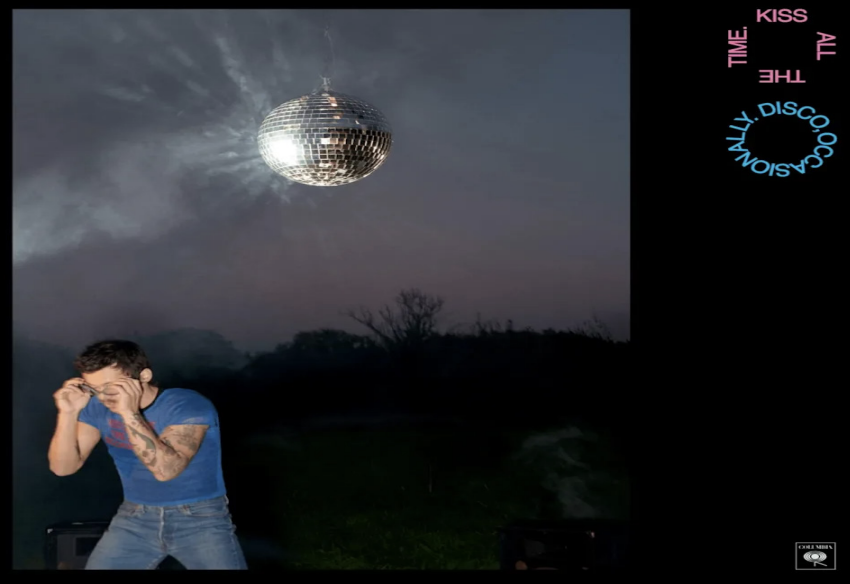
The soundtrack, composed primarily by Charli XCX and Anthony Willis, is indulgent, layered, and haunting, mirroring both the intensity and passion of Cathy and Heathcliff’s relationship along with its darker sides. If not for anything else, this film is worth watching just for its score and cinematography.
The film’s weakest point is the way it handles its plot and characters. Emily Brontë’s 1847 novel, Wuthering Heights, is a well-known classic and remains a cornerstone of the literary canon today because of its socially-commentative narrative, morally ambiguous characters, and its exploration of love as something both transcendent and destructive. Even without having read the novel (which, disclaimer—I have not), one can sense that the film is reaching for those same dark and layered themes. Yet in execution, much like its visuals, it leans heavily on the tropes of 1980s “bodice ripper” romance novels with themes of dubiously consensual sex and heightened emotional extremes, leaving the story feeling more like an outline based in sexual relationships rather than a fully realized narrative grounded in high social and psychological stakes.
Before anything else, Fennell’s Wuthering Heights is an experience for the senses with breathtaking visuals, inventive costuming, and a memorable soundtrack. While its narrative and character depth fall somewhat flat, the film remains a stylish and bold piece of media that’s worth watching for its visual and auditory artistry alone.