
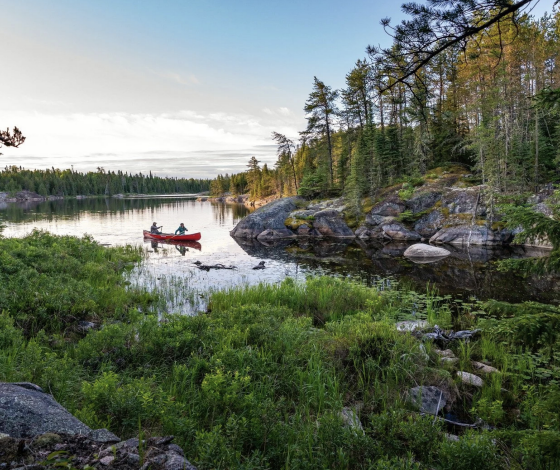
















With more than 150,000 visitors a year, the Boundary Waters is the most heavily visited wilderness area in the United States. Stretching 150 miles along the Minnesota/Ontario border, the pristine ecosystem of forests, lakes, and rivers was designated a federal wilderness in 1964. The Boundary Waters comprises over 1,100 lakes within a 1.1-million-acre area that provides critical habitat for species such as moose, black bears, lynx, loons, wolves, and numerous others. In order to protect the area, mining was banned in 1978. As a result, the Minnesota Pollution Control Agency recently declared the water caliber within the Rainy River watershed as “immaculate.” However, the untouched quality of the wilderness has been subjected to much political turmoil, and its future purity remains uncertain.
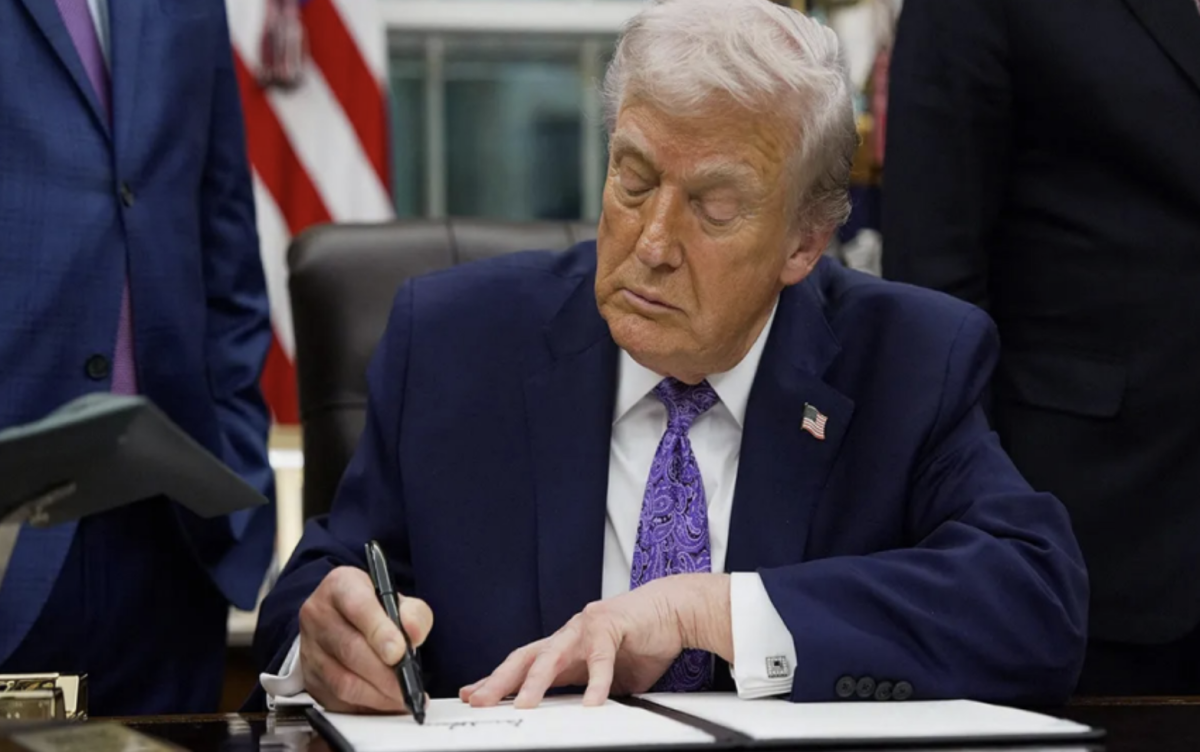
On April 16, Congress narrowly managed to pass H.J. Res. 140, a bill that serves to unravel mining protections for the Boundary Waters, opening up more than 225,000 acres of Superior National Forest land to potential mining leasing. This decision allows for mining giants such as Twin Metals to move forward with the permitting process. Twin Metals proposes mines within the Rainy River watershed, which encompasses the majority of the Boundary Waters, much to the dismay of environmentalists. The proposed sulfide-ore copper mining has never been done in Minnesota and is predicted to be hazardous. The process generates waste rock saturated with sulfates, which becomes sulphuric acid when exposed to air and water. Thus, there is a high potential that mining would leach toxins into the surrounding water. Scientists warn that this type of pollution could permanently damage the entire interconnected ecosystem, including the animals within it.
However, although it may appear that the fate of the Boundary Waters has been explicitly decided, the process is still ongoing. In order to execute their plans, Twin Metals needs approval to mine on federal, state, and private lands—even with federal leases restored, mines cannot be built until state approval and permits are given. Twin Metals currently holds 50-year state mineral leases that the Minnesota Department of Natural Resources are able to cancel if certain conditions have not been met during the 21st or 36th year. One such lease from 1990 is eligible for cancellation in June. Although the location for the lease is outside of priority areas, canceling it would be a crucial first step that would set precedent for cancelling all of Twin Metal’s state leases in the upcoming years.
Additionally, the Minnesota State Legislature has the power to pass laws that restrict mining near the Boundary Waters. Last year, the Boundary Waters Permanent Protection Bill (S.F 875/H.F 309) was reintroduced in the state legislature. If passed, it would ban sulfide-ore copper mining operations on state-owned lands in the Boundary Waters watershed permanently. The governor may also be able to wield considerable power over the future of the wilderness. Minnesota’s gubernatorial election will take place on November 3, 2026. With incumbent Governor Tim Walz not running for re-election, the position is open to new governance, key to the state’s future approach towards mining in the Boundary Waters.