
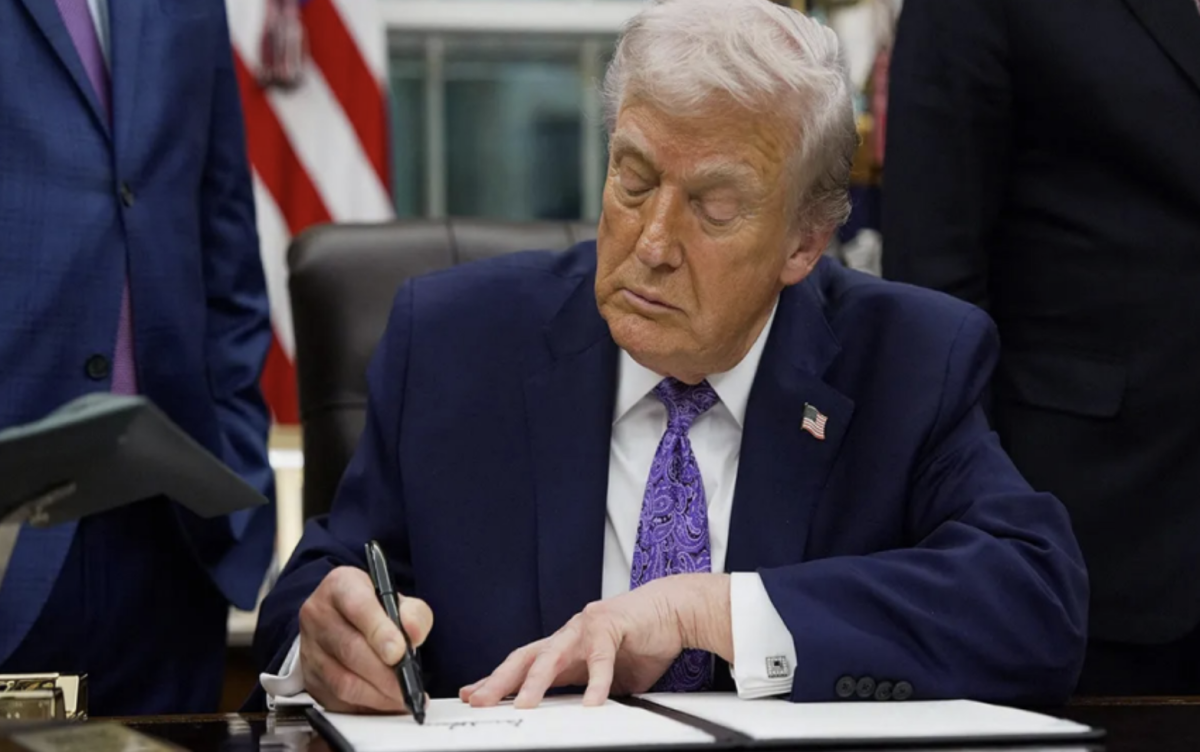
















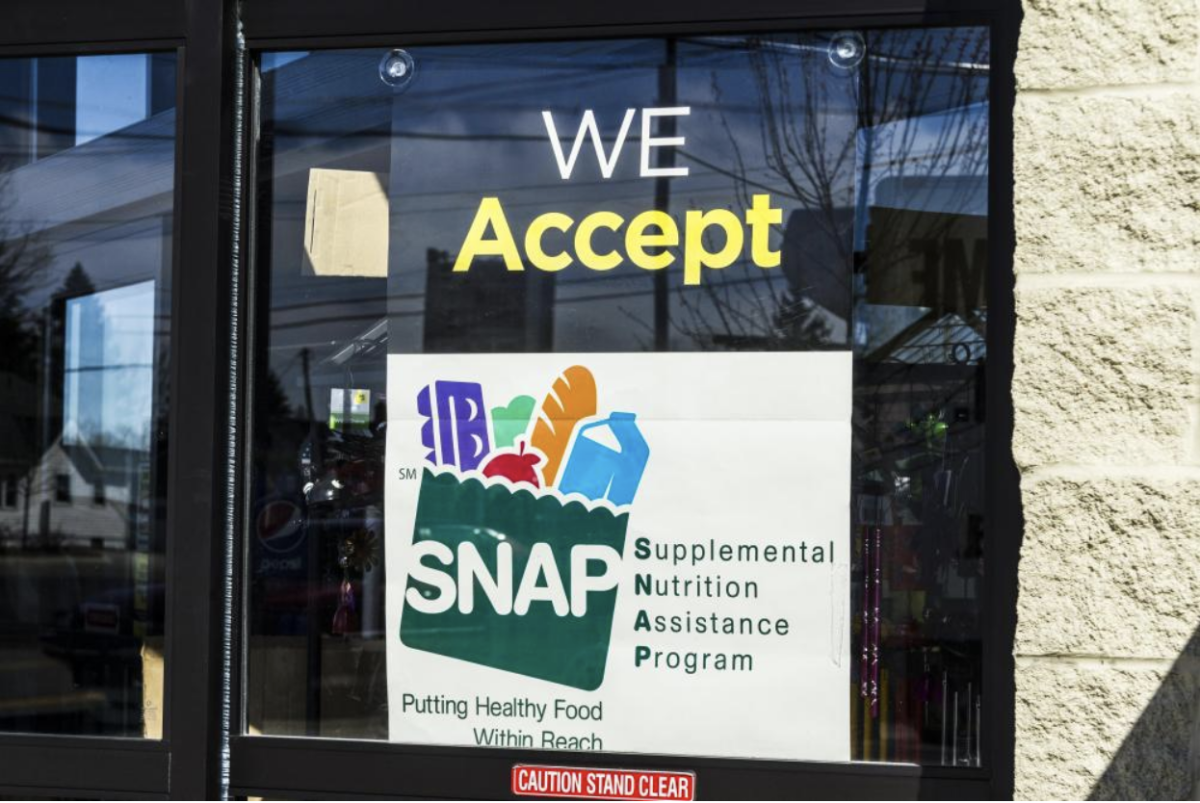
The 41-day federal government shutdown has created a crisis affecting America’s most vulnerable citizens, and Minnesota has been caught in the crossfire. On November 1, funding for the Supplemental Nutrition Assistance Program (SNAP), formerly known as food stamps, lapsed for the first time since the program began over 60 years ago. This left approximately 42 million Americans, including over 440,000 Minnesotans, without their monthly food assistance.
In Minnesota, SNAP isn’t just a statistic – Minnesota families receive an average of less than $6 per person per day, totaling about $180 per month. The program distributes approximately $72 million monthly in Minnesota alone, money that flows directly into local grocery stores and supports rural communities. In small towns like Blue Earth, where Juba’s Supervalu is the only full-sized grocery store, about 4.5% of sales come from SNAP. When those benefits disappear, it doesn’t just hurt families–it threatens the survival of small businesses already struggling since the pandemic.
The impact hits hardest in Greater Minnesota. In southwestern and northern regions, one in four households experience food insecurity. About 12.3% of Minnesota households with children participate in SNAP, and 32.1% of single female-parent households rely on the program to feed their families.
Minnesota families are feeling the pinch in real time. For example, Mary Davis, a single mother whose 15-year-old son is on human growth hormones, relies on SNAP to buy nutritious foods like meat and produce that are harder to find at food shelves.
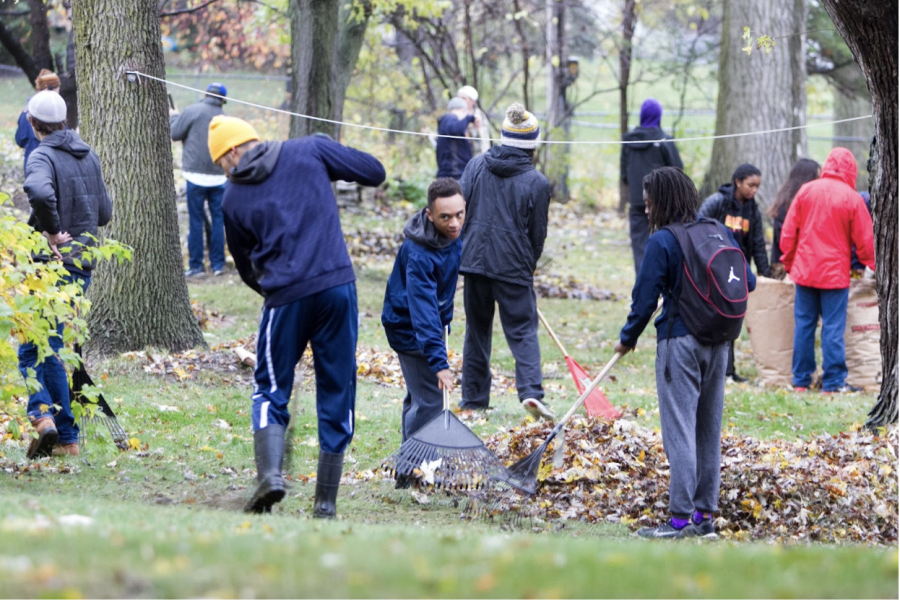
Two weeks ago our school participated in Breck Scares Hunger, and it felt so much more important because many families in our community were suddenly going without SNAP benefits. When I was trying to research this and understand what was happening, one of the top auto-filled searches that appeared was “why are my food stamps being taken away?” Seeing that broke my heart, knowing that people are confused and scared searching for answers while just trying to feed their families. It made the entire situation feel less like politics and more like a reminder of the human cost behind these government decisions.
While the shutdown has officially ended and SNAP benefits have resumed, Second Harvest Heartland CEO Sarah Moberg warns that the lasting impacts will continue. The organization has set a bold goal through its “Make Hunger History” initiative: to ensure 90% of Minnesota families can afford the food they need by 2030. Currently, 1 in 5 Minnesota households are food insecure, with stark racial disparties–only 60% of households of color are food-secure, compared to 84% of white households.
For Minnesotans looking to help, Second Harvest Heartland recommends monetary donations, which can stretch much further than food donations. A single dollar can provide three meals. Volunteers are also desperately needed as demand continues to surge heading into the holiday season. The SNAP funding crisis and Breck Scares Hunger may have ended, but the call to action has not.