











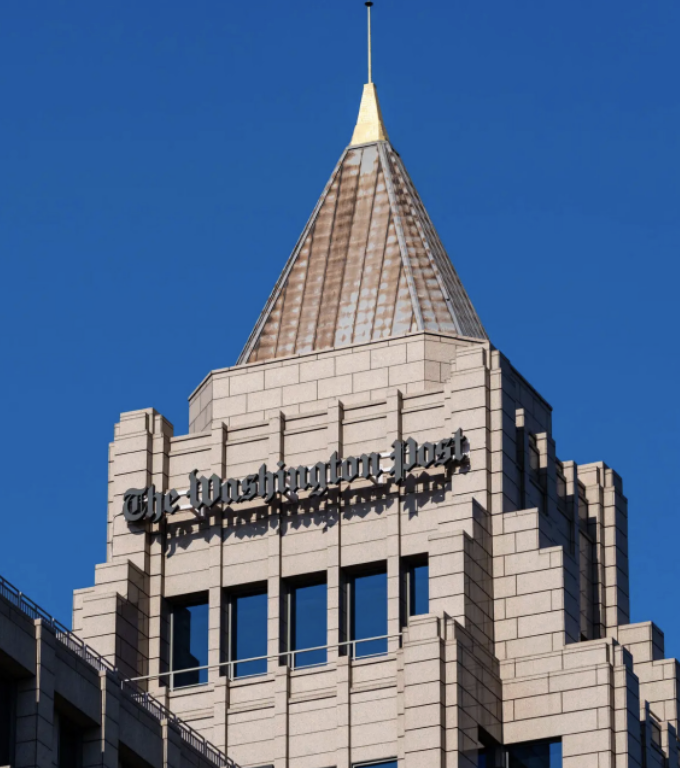
On February 4th, 2026, The Washington Post laid off roughly 30% of their employees, including over 300 journalists in their 800 person newsroom. The layoffs included cutting all staff photographers, as well as eliminating the paper’s sports and books sections, while dramatically narrowing their coverage on local and international news. In response to the layoffs, Matt Murry, the executive editor of the Post, stated that the move was made in an attempt to gain back the readers and money the paper has lost in the past months. Murry stated that “all sections would be affected in some way, and that the result would be a publication focused even more on national news and politics, as well as business and health, and far less on other areas.” Journalists and former employees of the Post spoke up about the loss, with Marty Baron, celebrated former editor of The Post, stating it was one of the “darkest days in the history of one of the world’s greatest news organizations.” Jeff Stein, The Post’s chief economic correspondent, shared the sentiment, reflecting, “This is a tragic day for American journalism, the city of Washington and the country as a whole.”
The restructuring of the paper first began with the selling of the Post to Jeff Bezos for $250 million in 2013, who boasted the ability to be a financial support for the struggling paper as a billionaire and the founder of Amazon. While the paper grew in the first eight years of his ownership, the past few years have seen slowed growth, suggesting that Bezos has not yet figured out how to build and maintain a successful publication. Bezos’s ownership has also led to the degradation of the Post as a beloved and trusted site. A key example of this occurred once the announcement came out that the editorial board would not be endorsing a Presidential candidate in the 2024 election, a request made by Bezos to undeniably appease Trump and his administration, causing the Post to lose thousands of loyal readers. The Washington Post’s slogan has always been “Democracy dies in Darkness,” yet with the ownership and direction they are currently under, it is dying in broad daylight, at the hands of billionaires.
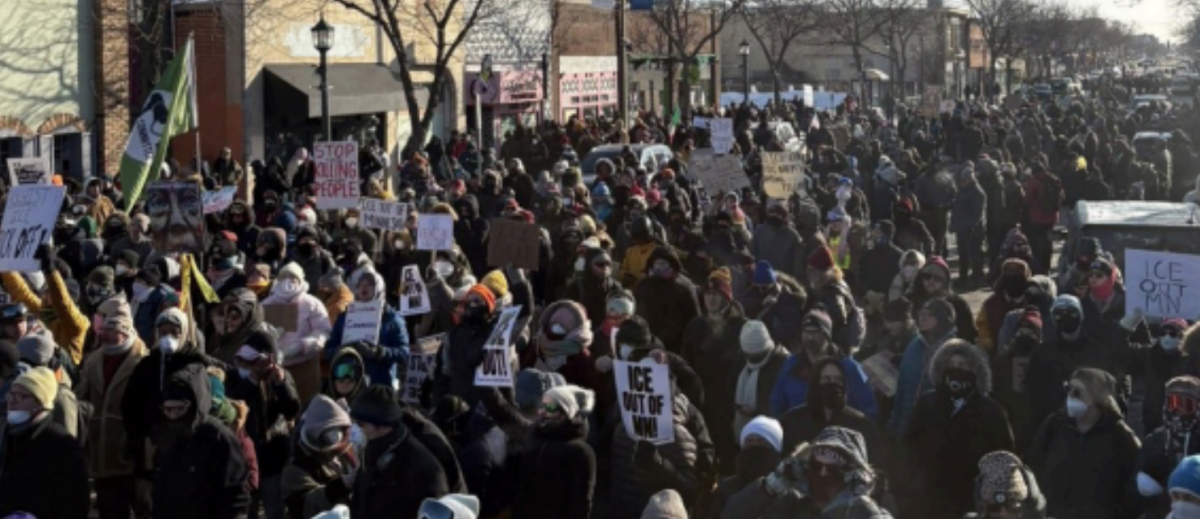
The problems at The Washington Post reflect larger issues facing journalism and democracy today. With the rise of social media and AI, people are relying on quick, often inaccurate, recaps rather than long-form articles. This change poses an imminent threat to journalism as it causes publications to lose money and readers rapidly, while unverified news circulates misinformation. Additionally, the rise of an authoritarian government in the Trump Administration has led to journalists such as Dom Lemon and Georgia Fort being arrested for reporting on anti-ICE protests, and a Press Secretary who is willing to shoot down any negatively-toned question in White House Press briefings. A President who is unwilling to recognize the vital work of journalists, instead claiming every outlet that does not sing his praises is ‘fake news’, is a President who craves unlimited, unchecked power.
The reason these threats on journalism are so agonizing is because the First Amendment is the cornerstone of democracy. Freedom of the press is what holds those in power accountable and the people informed. The local news section of The Washington Post is how the country found out about Watergate. Photos are how people connect to what they’re reading and comprehend the gravity of events. These are both sections The Post has now decided to cut. Journalism is how people educate themselves and how they know what is happening in the world and their neighbourhood. Without journalism, people lose their watchdogs of democracy and translators of increasingly complex policy and events. Decisions will still be made with or without journalism, they will simply be made without accountability.