











In August of 1980, Polish workers stood together in protest, launching a decades long fight for democracy in what is now called the Solidarność (Solidarity) Movement. In his article, “Poland: Solidarity — The Trade Union That Changed The World,” Jeffery Donavan explains that while the movement was outlawed — with its leaders even becoming imprisoned and material law creating more fear between Poland’s authoritarian communist regime and its people — Solidarity continued as a peaceful protest through the efforts of everyday civilians. Nearly a decade later, after the government was faced by lasting economic and social pressure, in 1989, Poland held its first free election, transforming the state into the first non-communist government in Eastern Europe.
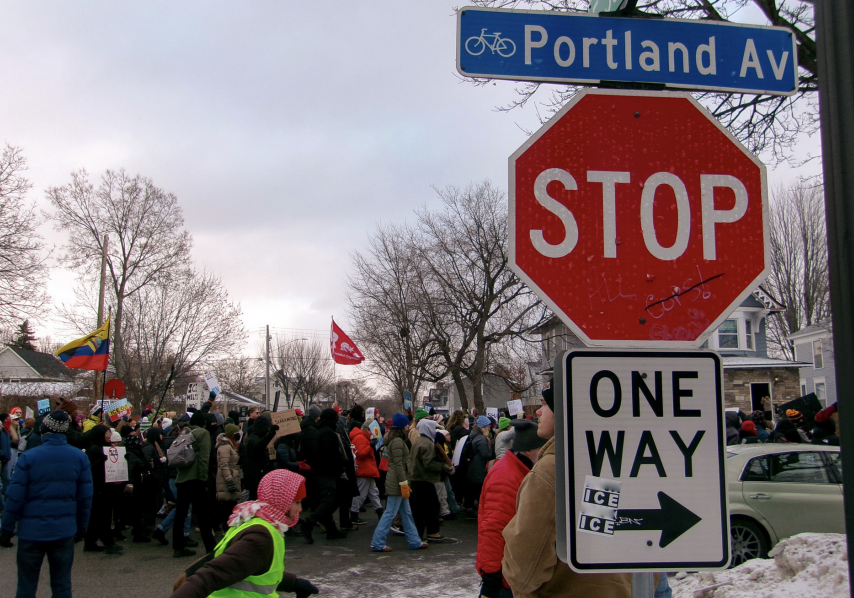
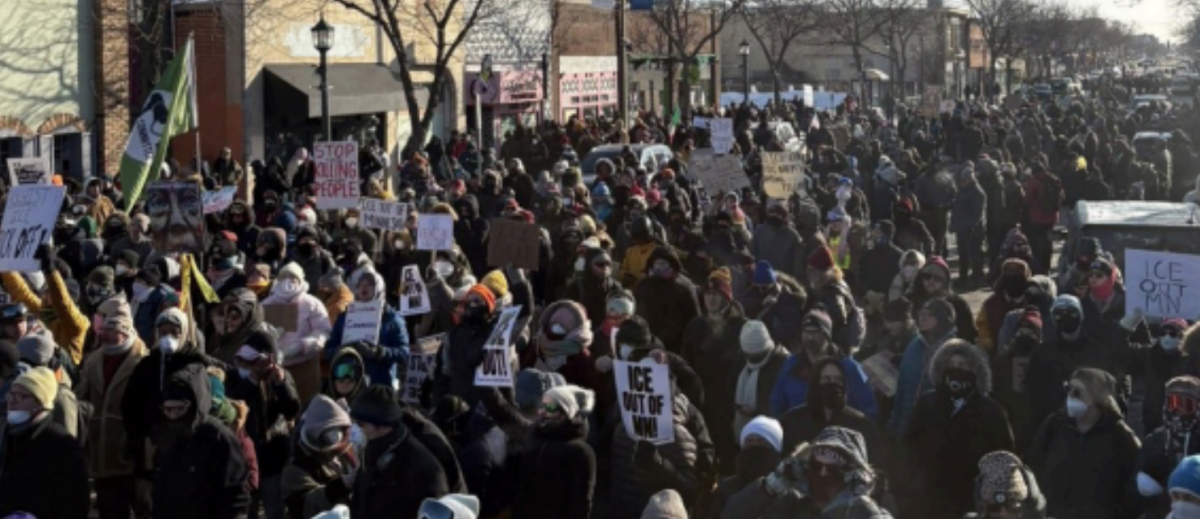
In Minneapolis today, residents — joined by people in other cities all across the country — have taken to the streets in response to an increase in federal immigration enforcement activity, resulting in the fatal shooting of Minneapolis resident Renee Good by an ICE agent on January 7, 2026. According to an article published by the Guardian titled “Minnesotans strike in protest against ICE surge: ‘No work, no school, no shopping,’” on January 23rd, tens of thousands of Minnesotans participated in a coordinated strike, refusing to go to school, work, or shop, while marching downtown in sub-zero temperatures. In the weeks since Good’s shooting, numerous community members, student groups, faith leaders, and local organizations have hosted vigils, rallies, walkouts, and food drives, all in hopes of supporting vulnerable community members. Standing together, Minneapolis is demanding accountability for the prejudicial, violent, and inhumane treatment and tactics used by ICE.
But all of that, for what? Less than 24 hours after the massive downtown demonstration and day-long peaceful strike, multiple news outlets report that federal agents fatally shot another Minneapolis resident, Alex Pretti.
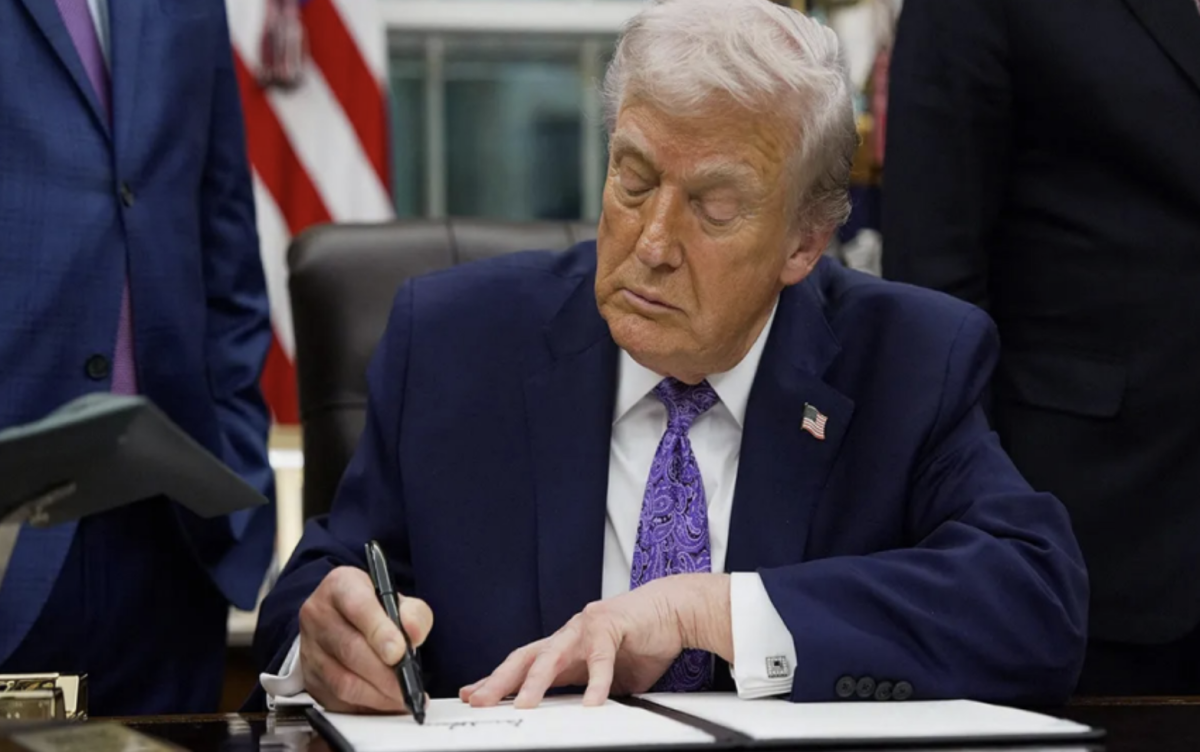
In all honesty, waking up to that news on the 24th was not only deeply disturbing, but extremely despairing as well. The unity and momentum I had felt the day before, for a brief moment, felt meaningless. ICE agents were still operating in the city and in fact, in response to previous protests, the Trump administration had sent even more officers, so what’s to say they won’t do it again? As a south Minneapolis resident, it hurts to see my community become such a target, and even more so, it angers me to see the injustice continue to persist without any form of immediate consequence from lawmakers.
Throughout the halls of Breck, I have heard many mixed feelings about the events unfolding in Minneapolis. While some students are skipping school to attend rallies, others argue these protests are dangerous and pointless, questioning whether they accomplish anything at all. While I can understand where this skepticism comes from, especially when we see injustice continue time and time again, it is in moments like these when protest plays its most critical role.
When I went to the scene of the crime on the morning of the 24th, and again that night when my neighborhood hosted a vigil, as well as the day before and the week prior — all moments I spent protesting peacefully in solidarity with others — I felt overwhelmingly proud of my community. Yes, it can be heartbreaking to continue to witness the violent acts that members of the community are facing, but the conscious effort to go out and be a part of history is what enacts real change. ICE agents will continue harassing and threatening Minnesotans and this will most likely not be our last heartbreak. But that is all the more reason why it is so extremely important for us to continue coming together to resist these abuses of power. And protest comes in more forms than just marching in our streets; it comes from strikes: taking a day of solidarity, refraining from shopping or going to work; it comes from aid networks providing food and transportation to our vulnerable neighbors; it comes from spreading awareness on social media or hosting teach-ins, educating people of their rights; it comes from murals, poetry, and music; it comes from calling lawmakers and demanding change. These countless ways to stay civically engaged give each of us the ability to stay involved in the way that works best for us.
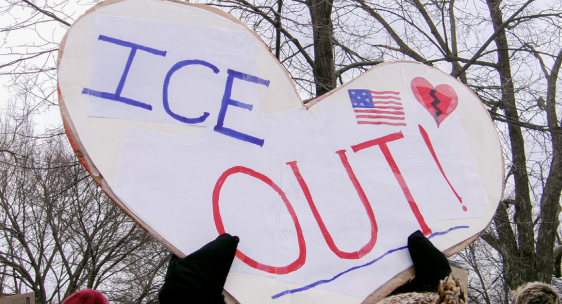
What is unacceptable right now is standing by and watching the injustice unfold. Silence is only strengthening those in power who benefit from harm going unchallenged. Minneapolis cannot allow hate and violence to become normalized, and the only way to resist that is by continuing to come together. We will not see change manifest tomorrow, or the next day, or even a week from today. We won’t be able to see it after one walk-out or rally. But I assure you, change is happening. Poland’s Solidarity movement took nearly a decade to transform peaceful resistance into political change, and today it is remembered for the collective courage and loyalty of ordinary people who refused to see the abuse of power and the oppression of human rights. Protest can make a difference. Even if we aren’t seeing that play out politically just yet, I am seeing the strength of an empowered community uplifting our democracy. What is happening now in Minneapolis will also be remembered. We are living through a moment in history that demands action. Let us be able to look back on our efforts with pride in what we built and protected.
Kristin Markert • Mar 5, 2026 at 3:37 am
I agree completely,. Thank you for this thoughtful article. I’m glad to know that change did come to Poland after years of peaceful protest.